By David M. Herszenhorn
At first glance, it might seem as if House Democrats were so overwhelmed by their ambitious legislative agenda that they confused their big climate change legislation with their big health care bill.
A package of last-minute changes to the Democrats’ health care bill made public on Tuesday night included a curious tax provision related to the production of biofuels, including ethanol. By changing some of the rules related to tax credits for biofuel manufacturers, the provision would raise about $24 billion in additional tax revenue from the biofuel companies over 10 years.
So what do biofuel producers have to do with health care? Actually, nothing. The change was all about the money.
In case anyone hasn’t noticed, there are few things that Congress hates more than raising taxes. As a result, two of the favorite euphemisms on Capitol Hill are “pay-for” and “revenue-raiser,” which are just fancy ways of describing a tax: something that “pays for” legislation, or “raises revenue” to pay for legislation.
But good revenue-raisers are hard to find. And when one is available, lawmakers often fight over it.
In the case at hand, Senate Democrats swiped a revenue-raiser that House Democrats had included in their health care legislation: a delay in a tax code change, which would result in multinational corporations’ paying $26.1 billion in taxes over 10 years that they would otherwise be spared. The Senate Democrats decided to use that tax revenue to help pay for legislation to extend unemployment benefits and a popular tax credit for first-time homebuyers.
But that move left a hole in the House Democrats health care bill and sent lawmakers in search of another way to raise revenue.
The solution was a change in the “second generation biofuel producer tax credit” which will make up most of the money taken by the Senate. In essence the change means some biofuel producers will receive less in tax credits than under current law. (The House also retained a limited version of the tax code change for multinational companies, which will generate $6 billion for the health care bill.)
Representative Chris Van Hollen, Democrat of Maryland, who sponsored the biofuel amendment on behalf of the House Democratic leadership, said that it was both a good way to raise money and an improvement in alternative energy policy that Democrats would have carried out anyway.
“The idea is to make sure that biofuels get a tax credit to the extent to which they meet the energy efficiency goals,” Mr. Van Hollen said. “Number one, this is something we have been focused on in terms of good policy.”
But he also quickly added that the Senate’s swipe of the tax provision — technically a provision “to delay implementation of worldwide interest allocation” — had left the House no choice but to find more money.
The biofuel provision, Mr. Van Hollen added, “is a good piece of policy that also accomplishes the goal of providing revenue.”
Such a tug-of-war over revenue-raisers is hardly unusual in Congress. But at a time when lawmakers and the White House are thinking about ways of reducing the nation’s huge long-term debt, the current spat highlights how increasingly difficult it has become for lawmakers to generate revenue without imposing new taxes that will be felt directly by the constituents who elect them. President Obama’s promise not to raise taxes on Americans earning less than $250,000 a year has made that challenge even harder.
Some Republicans have been warning that Democrats are using most of the available revenue-raising ideas to pay for the health care legislation, rather than reducing the deficit. In the Senate, Democrats on the Finance Committee decided to limit all of the tax provisions in the health care bill to the health arena. Otherwise, the worldwide interest allocation provision might well have been included in the Senate Democrats’ own health care bill.
Tuesday, November 10, 2009
How Biofuel Leaked Into the House Health Bill
Posted by
admin
at
5:33 AM
0
comments
Wednesday, October 7, 2009
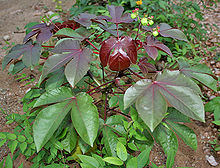
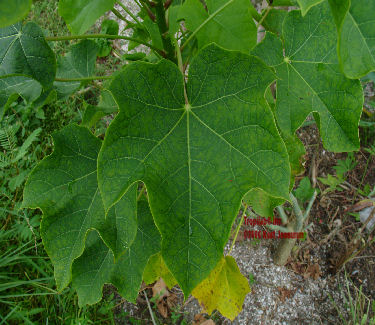
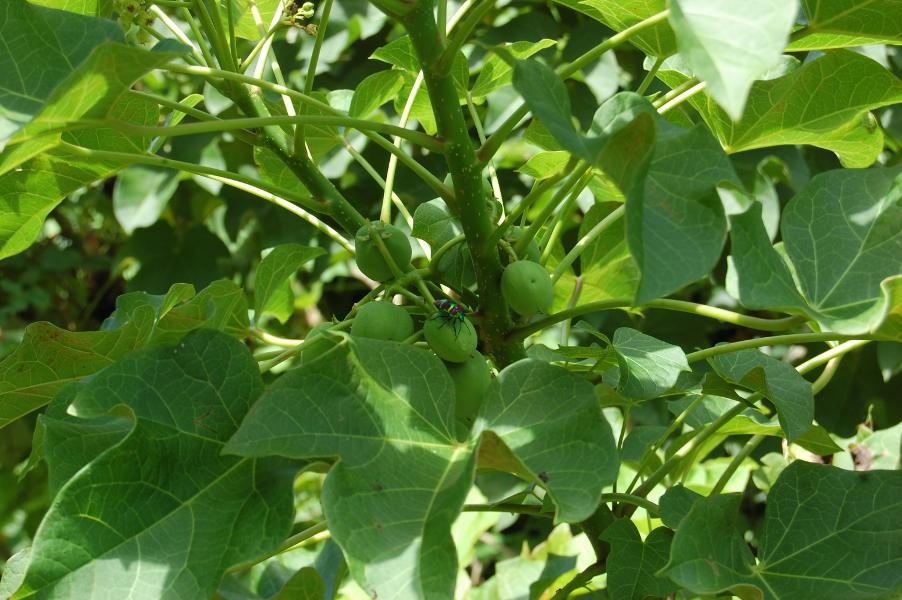
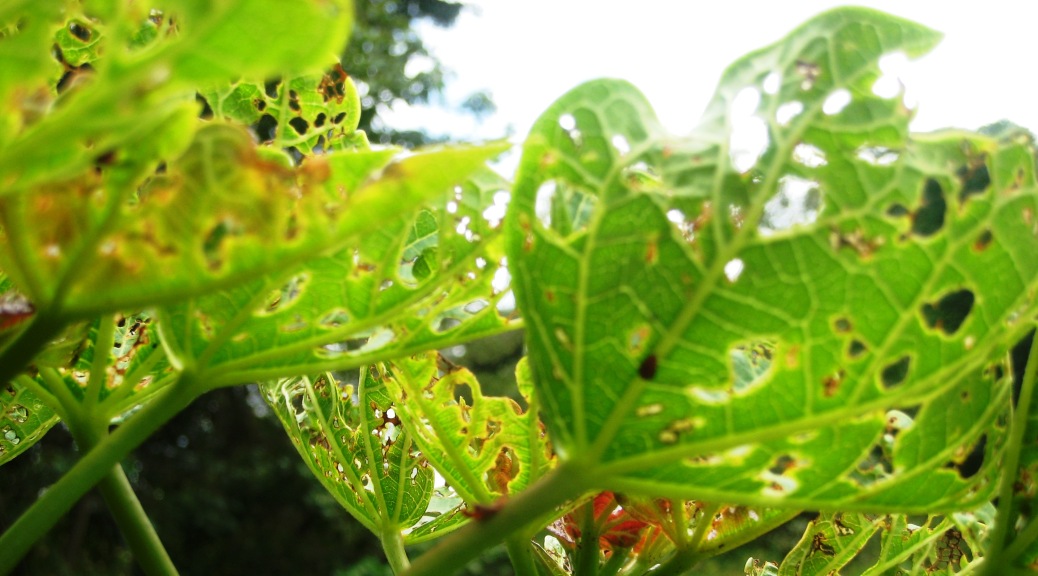
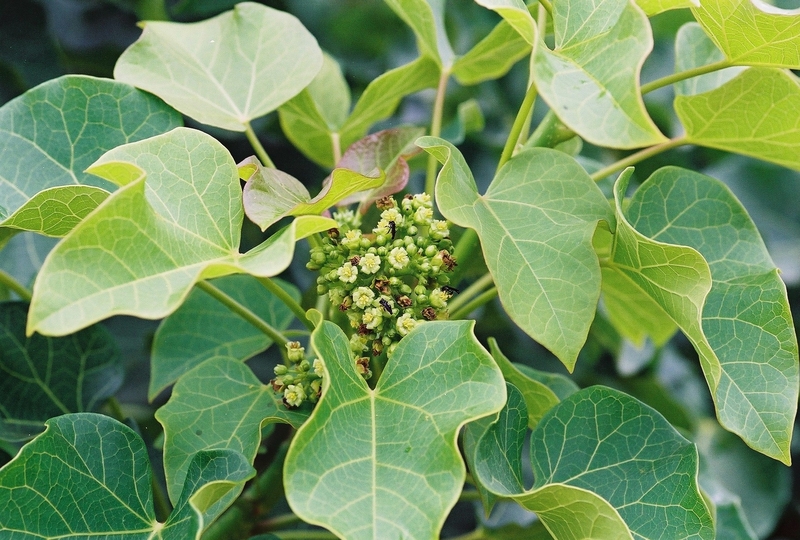
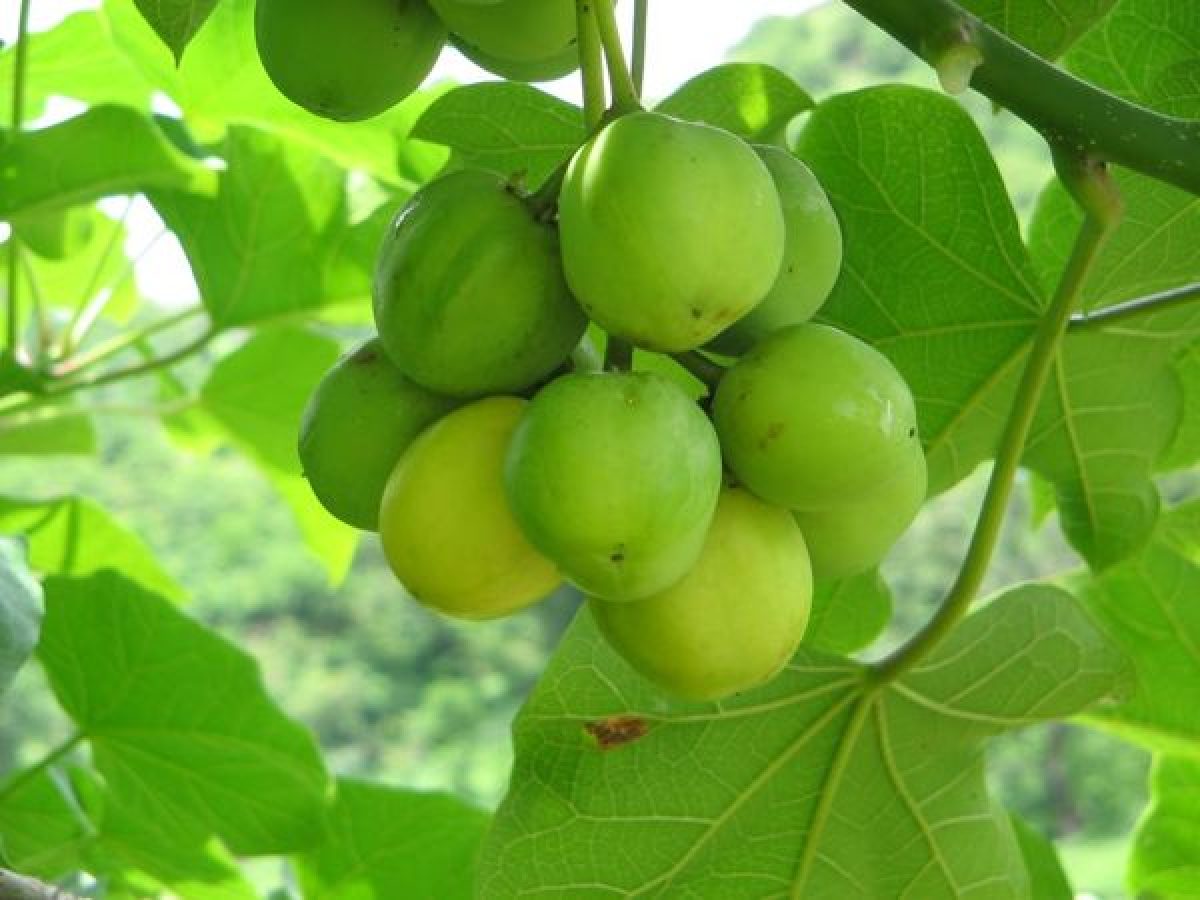
About Jatropha Curcas
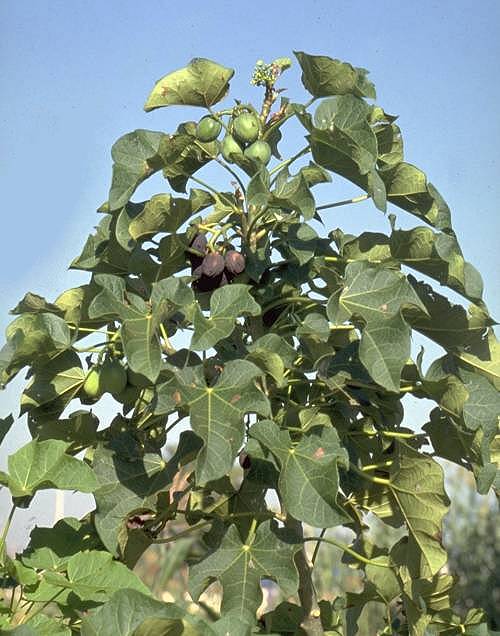
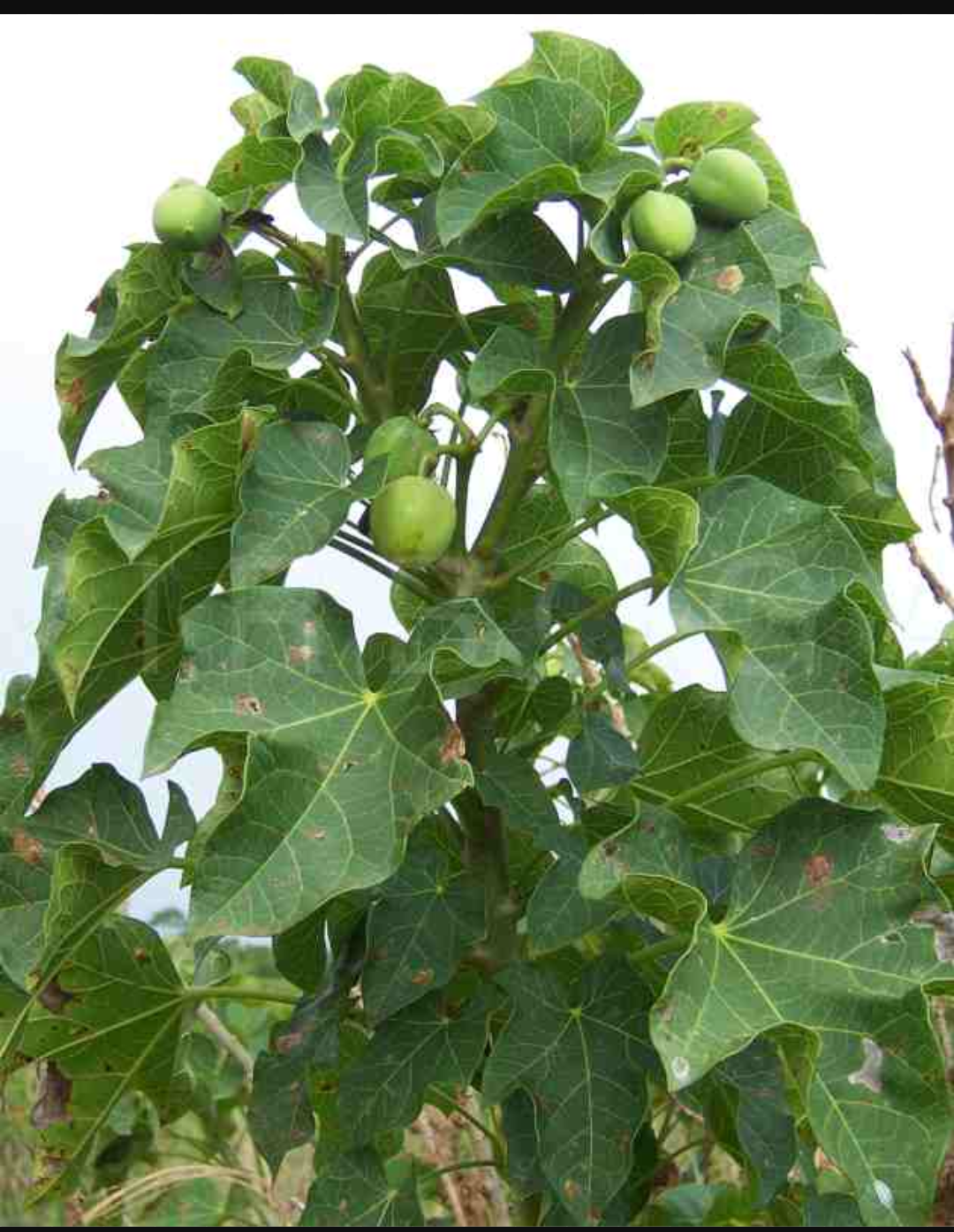
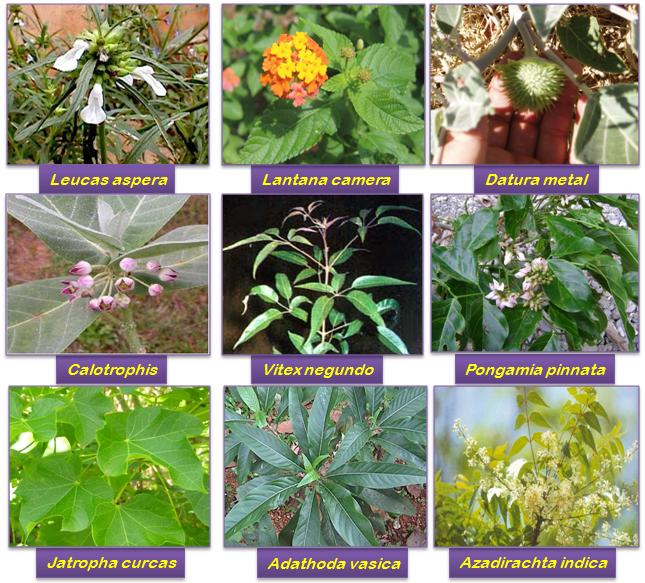
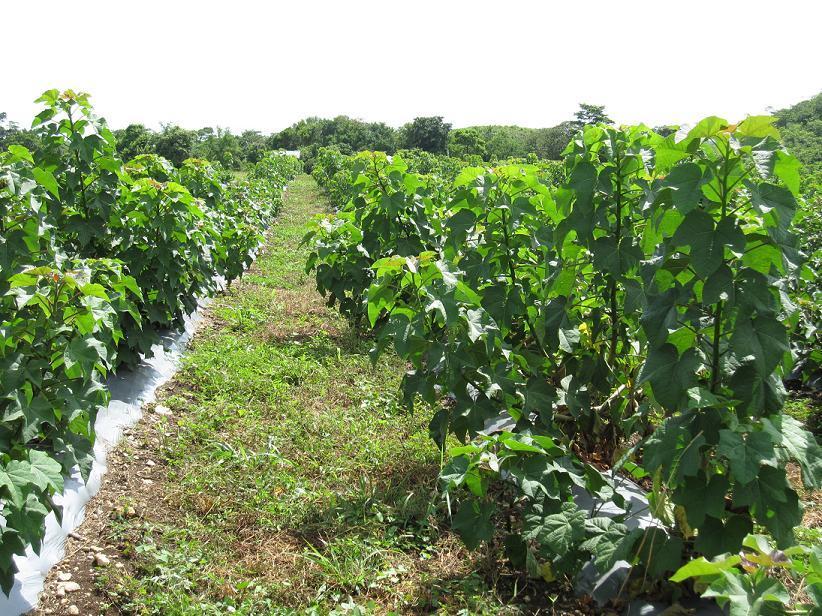
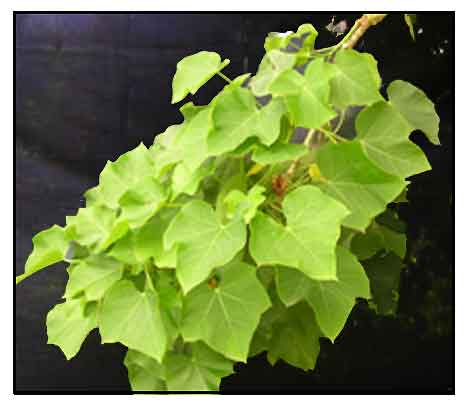
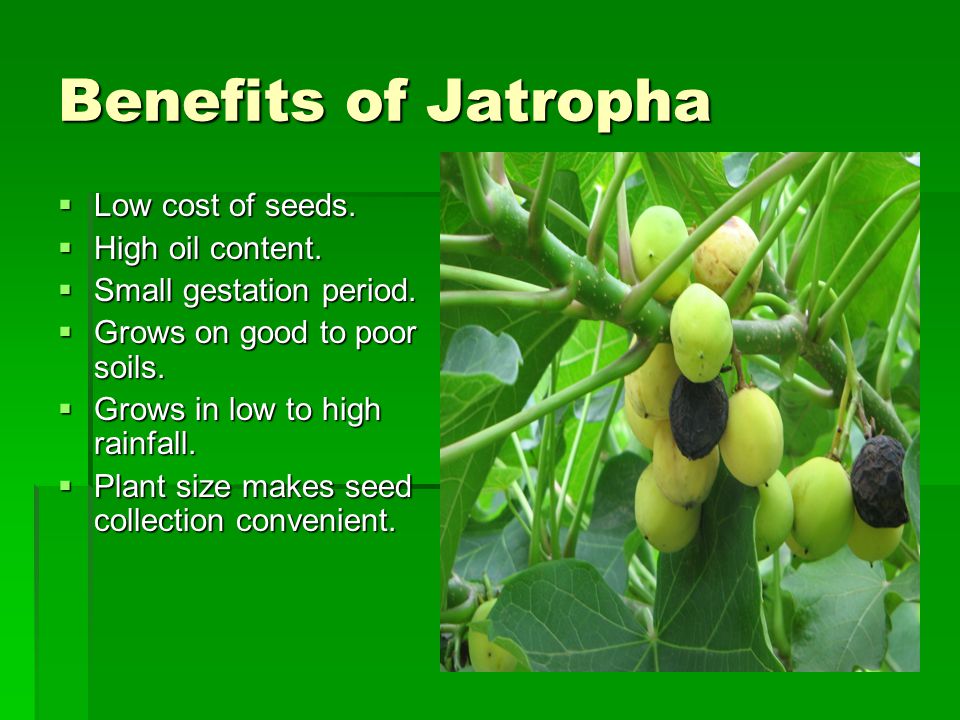
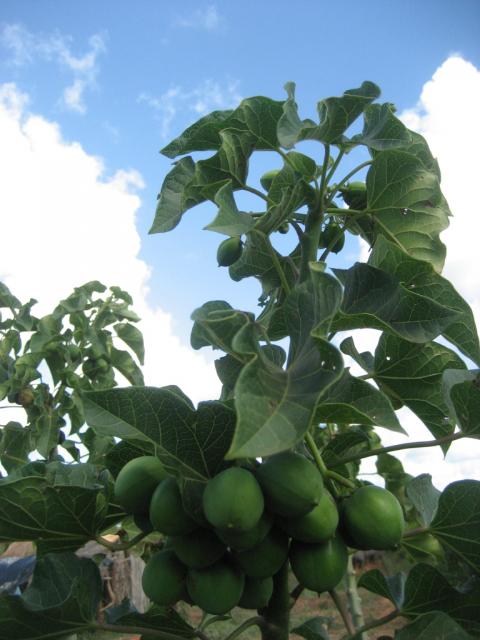
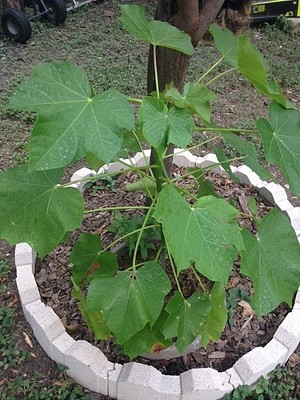
Jatropha Curcas is a non edible oil crop predominately used to produce bio-diesel.
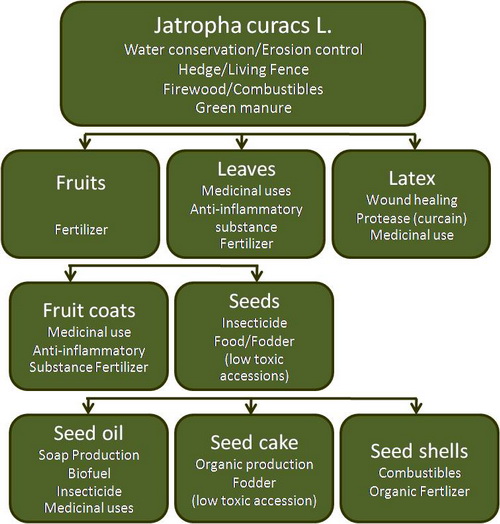
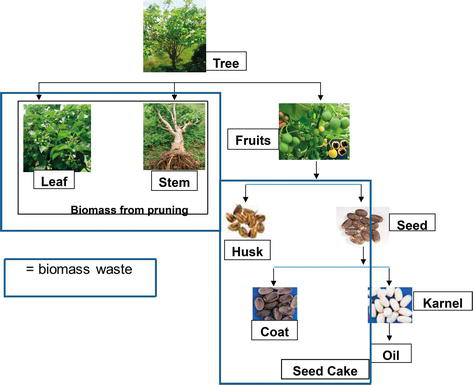
In addition to bio-diesel production, the by-product of Jatropha Curcas' transsterification process can be used to make a wide range of products including high quality paper, energy pellets, soap, cosmetics, toothpaste, embalming fluid, pipe joint cement, cough medicine and as a moistening agent in tobacco.
The Jatropha Curcas seed cake which is the waste by-product of the bio-diesel trans-esterification process can be used as a rich organic fertilizer.Jatropha Curcas grows best on well drained soils (pref PH 6-9) with good aeration but is well adapted to marginal soils with low nutrient content.
Jatropha Curcas grows well with more than 600mm rainfall per year and it can withstand long periods of drought. The plant sheds its leaves during a prolonged dry season.
Jatropha Curcas prefers temperatures averaging 20-28 degrees Celsius (68-85 degrees Farenheit). It can, however, withstand a very light frost which causes it to lose all its leaves and may produce a sharp decline in seed yield.
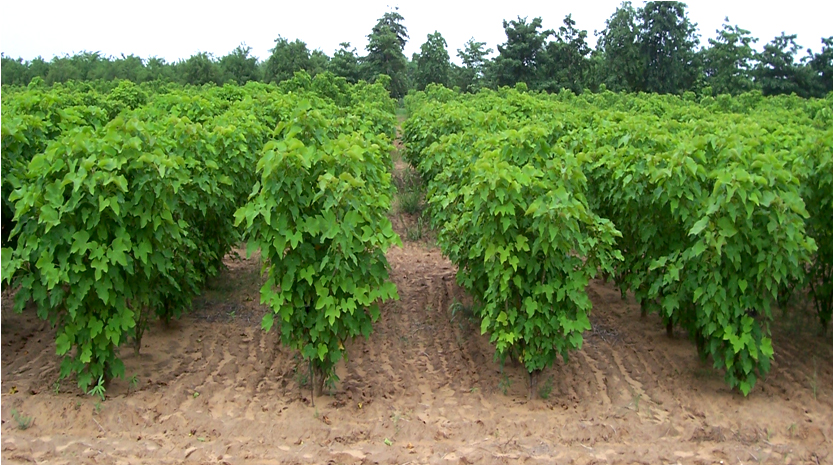
One tonne of Jatropha Curcas seeds will produce up to 600 litres of bio-diesel with proper management. Recommended planting rates of Jatropha Curcas are 2,000 / 2,500 plants per hectare (2.5 acres) One person can professionally plant, manage and harvest 5-8 hectares of Jatropha Curcas. 30kg of Jatropha Curcas fruit can be harvested per person, per hour. this information from http://www.jatrophacurcasplantations.com/
Posted by
admin
at
3:34 AM
0
comments
Thursday, September 10, 2009
BioDiesel Technologies Launching First Commercial Jatropha Biodiesel Project in Brazil
Brazil’s first commercial jatropha biodiesel project goes into operation this month following the delivery of BioDiesel Technologies’ (BDT) processing unit.
BDT will deliver an additional four processing units to increase the plant's annual capacity to 40,000 tonnes (about 10 million gallons US) by the end of 2007. The President of Brazil, Luiz InĂ¡cio Lula da Silva, will officially open the plant in September.
The Compact Production Unit (CPU) 1000, which is installed in a 20-foot ISO container, is designed to use oils and fats of vegetable and animal origin, or used edible oils. It produces 1,000 liters of biodiesel per hour (8 million liters per year).
Project operator, Compahnhia Productora de Biodiesel de Tocantins, has formed agreements with local cooperatives and small farmers in the state of Tocantins to supply the biodiesel facility with the required feedstock. This has led to the establishment of 48,000 hectares of jatropha plantation.
The multi-feedstock technology provided by BDT will also allow the use of animal tallow for the manufacture of biodiesel. This could prove to be a significant source of income to the large slaughter-house industry within the Tocantins state, which has more than 6 million head of cattle.
This operation, bringing local agricultural communities into the biofuel production process, is the model upon which future Biodiesel operations in Brazil will be constructed; hence President Lula will show his support for the project in September. Brazil has introduced mandatory blends of 2% by 2008 and 5% by 2013 as well as numerous tax incentives for biodiesel producers that source their feedstock from local communities.
Compahnhia Productora de Biodiesel de Tocantins is examining project sites for a further two projects within the region, taking total regional production to more than 120,000 tons of biodiesel per year.
BDT, a biodiesel equipment manufacturer and project developer based in Austria, has 17 multi-feedstock projects operating in 10 countries worldwide.
http://www.greencarcongress.com/2007/08/biodiesel-techn.html
Posted by
admin
at
11:03 PM
0
comments
Jatropha Biodiesel
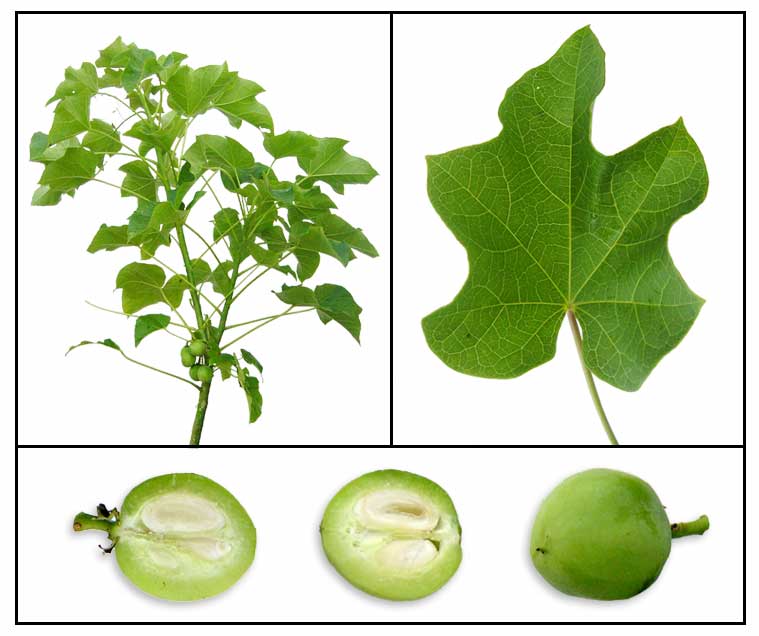
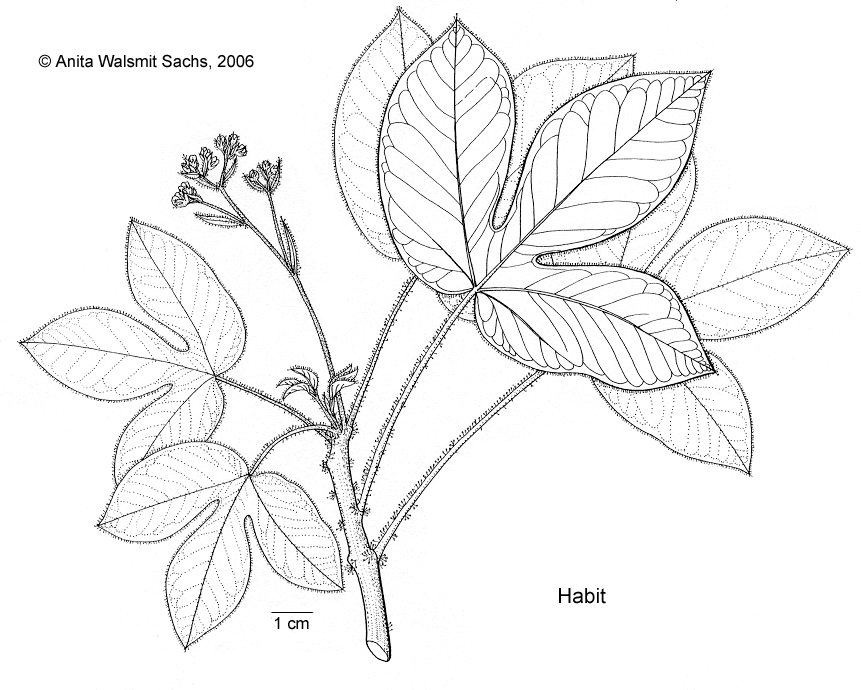
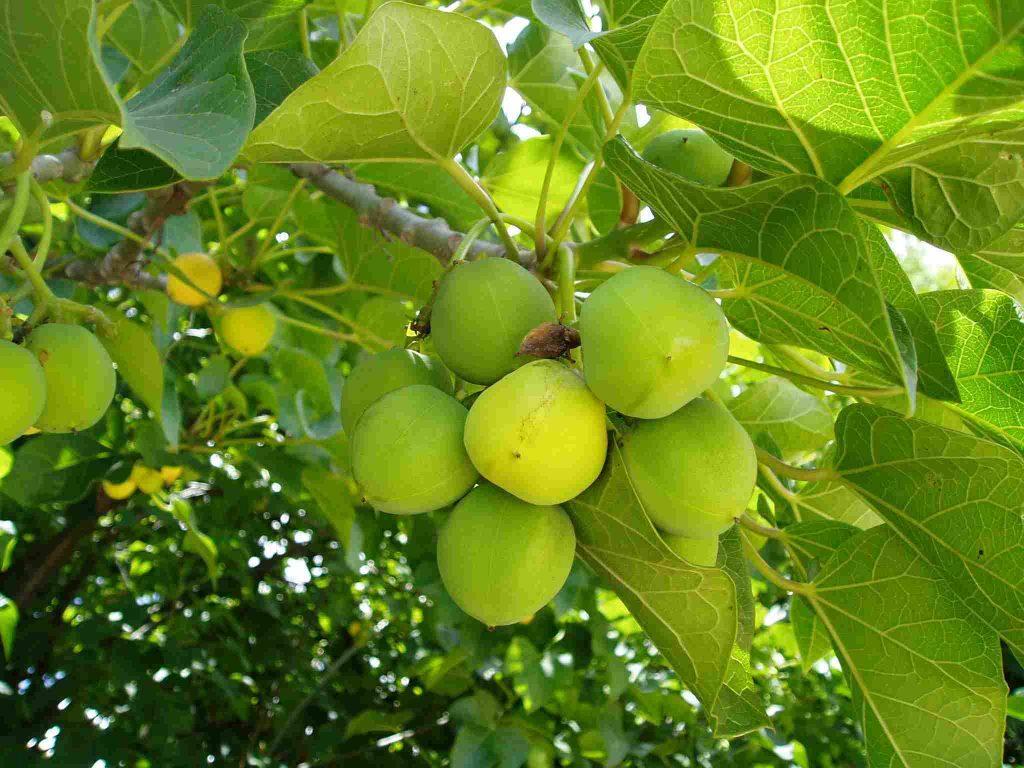
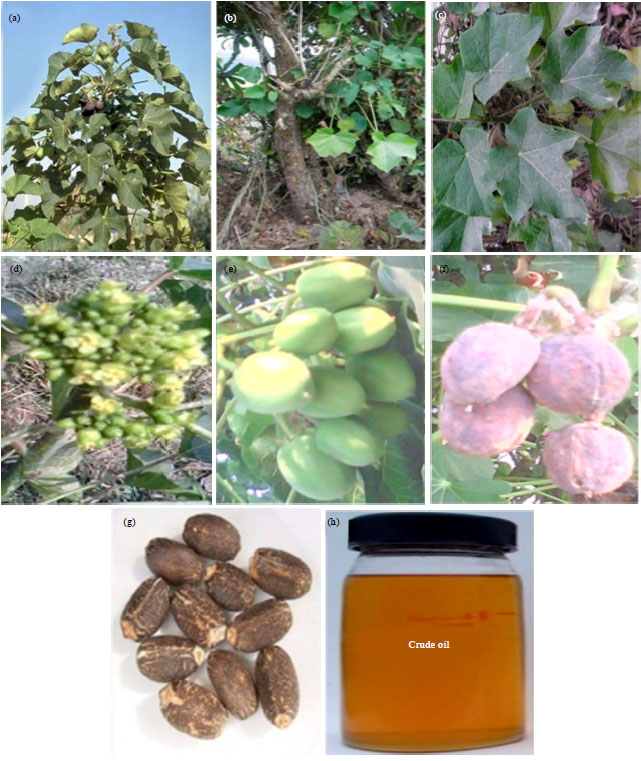
Jatropha is a genus of approximately 175 succulent plants, shrubs and trees (some are deciduous, like Jatropha Curcas), from the family Euphorbiaceae. Jatropha is native to Central America and has become naturalized in many tropical and subtropical areas, including India, Africa, and North America. Originating in the Caribbean, the jatropha was spread as a valuable hedge plant to Africa and Asia by Portuguese traders. The mature small trees bear male and female inflorescence, and do not grow very tall. The hardy jatropha is resistant to drought and pests, and produces jatropha seeds containing up to 40% jatropha oil which, after being refined, can be turned into jatropha biodiesel with our biodiesel processor.
Read More..
Posted by
admin
at
10:59 PM
0
comments
Sunday, July 19, 2009
Downsides to Biofuel Vehicles
We've all heard about environment concerns such as global warming, our need to reduce our dependence on non-renewal fuel sources, particularly foreign oil, and the overall need to be "green." Even car manufacturers are getting in on the act, working on a variety of more energy-efficient and lower polluting cars such as the hybrids you see on the road more and more.
There are certainly upsides to biofuel vehicles. For example, since so many biofuels are derived from plants, they are close to being carbon neutral since the next crop raised for biofuels will use the carbon dioxide released from using the previous biofuels crop.
They also don't produce anywhere near as many particulates or carbon dioxide. Nor do they give off sulfur emissions, which are responsible for acid rain.
Plus they can be grown locally, so we can't be held hostage to foreign oil producers like we are now. Nor do we have to compete with other countries for limited resources, giving us control over our own fuels as well as keeping those dollars in our own economy.
But biofuels aren't the magic answer some have been touting and, indeed, there are some real downsides to biofuels, as we're sadly discovering nowadays what with skyrocketing food prices that can't just be blamed on the price of gas.
Currently US government subsidies are provided for ethanol, but they are for corn ethanol. However, unlike Brazil who has effectively produced ethanol on the basis of sugar cane waste for the past 20 years, the United States actually uses the corn itself, not the stocks and leaves. This has multiple negative effects.
In the first place, corn production, whether for food or biofuels production, requires a great deal of energy that releases more greenhouse gases than they actually save. Corn production also requires a great deal of water. Plus, the more demand for corn, the higher the price of corn. This isn't just for the corn we eat as canned corn, corn on the cob or corn flakes. Corn is also a major grain food used by animals, such as chickens, cattle, cows and the like. That's why the price of eggs, milks and hamburger has gone up so much recently.
Other current food sources used for biofuels, such as rapeseed and palm oil, have the same downsides since they, too, are used as foodstuffs, such as vegetable oil. Not only that, but many countries are deforesting great areas in order to provide more land to growl biofuels crops. And deforestation wreaks havoc on the environment. Talk about a downside!
There are many other plant materials that can be used for ethanol production, including switch grass and even algae. Waste products, such as wood chips, straw and pulp could accomplish the same thing Brazil has done...use what's left over after food production, not replace food production with fuel. After all, we can't eat biofuels.
Take Care,
Steven Longoria
Fight high gas prices, reduce your carbon footprint, and sleep better at night by learning more about alternative fuel vehicles. Click Here--> Liquid Nitrogen Vehicles
Posted by
admin
at
11:12 AM
0
comments
Know How to Make Your Own Biofuel - Save Money Using It
With the dependence on traditional fossil fuels through this years, the world is so much crippled that there is an impending oil crisis that will not only affect governments and businesses but on a deeper and more profound level, citizens. With this, the advent of revolutionizing alternative sources such as plants has become one of the last hopes we have, not only to save us from economic downfall but also to the plagues that traditional fossil fuels have caused the environment.
If you think the idea to make your own biofuel is too ambitious confined only to oil companies who have the logistics and enough funding and far from being done on your own, you are wrong. The FuelPod2 was invented to make everything in the process easier. This device though might at first be costly for you a beginner who is just trying it out to make your own biofuel.
Simple steps with just the simple ingredients and utensils with the right kind of vision are just what you need to make your own biofuel right in the comfort of your home while you don't have your sophisticated Fuelpod2 just yet. Yes, right inside your home. All you need is your waste vegetable oil as your main actor, the appropriate amount of lye to create a perfect chemical reaction producing the biofuel, alcohol needed during the heating and mixing proper to separate the glycerine from the final biodiesel fuel extract, and water of course for the final washing.
So, why know how to make your own biodiesel?
It's simple: Because the benefits are outstanding. The most important benefit is that you will reduce pollution of our planet, and if we start using more biofuel and less petrol our planet will be cleaner for our kids. The second benefit is the money that you can save. If you get a guide and learn how to make your own biodiesel you will spend 0$ on gas for your car. You will run your car on biodiesel and your engine will not be affected by running on biofuel.
These guides will show you exactly how to make your car run on biodiesel and how to make biodiesel in your own house. Don't you want to save at least 90% on gas costs?
Get 0$ Gas without modifying your car or your engine and without investing any money on your car.
Article Source: http://EzineArticles.com/?expert=Mark_Peterson
Posted by
admin
at
11:11 AM
0
comments
Make Biofuel at Home and Be the Businessman and Environmentalist That You Are
Before the fossil fuel diesel became the main source of energy in almost all aspects of modern living, Rudolph Diesel revolutionize the use of biofuels with his engine that ran on peanut oil. Unfortunately, he was named after the fossil diesel that became of major use in all industries. Unfortunately, this type of fuel has become one of the major causes of environmental degradation, far from what Rudolph diesel envisioned.
Biofuels have been found to have tremendous contribution not only to the solutions on environmental problems but also its economic and energy security benefits. In terms of economy, biofuels can help ease the burden of the rising cost of fossil fuels and also provide another source of income for the agricultural industry since the sources are plants crops. Energy security will be enhanced since the production of biofuels has been made simple and doable through various researches. Furthermore, it will bring to a higher level our energy security since we will slowly move away from fossil fuels that will soon become scarce and used up because they are not renewable.
The best thing about this is that it does not take so much genius and sophisticated equipment and procedures to do it. Yes, you can make biofuel at home! It is feasible, easy, and simple. Just be always on the guard for accidents since fumes can be toxic and heating night cause burns.
To make biofuel at home, you will just have to be ready with your chosen vegetable oil, new or used. Prepare your additives such as lye and methanol and of course equipment such as glass jars, measuring devices, and your filtering, mixing and heating gadgets. If you are familiar with soap making, making biofuel is almost very similar to it.
The final stage is to separate the glycerine (the one turned into soap) and the liquid that stays on top, and that is your biofuel. With a little "How to.." with you, you can make biofuel at home effective and successful and might just turn this not only a benefit and big help on your energy needs but also a lucrative business venture. Aside from the business opportunity you might discover, you also turned yourself into the staunch advocate of environmental protection.
My personal advice to you is to get a guide that will tell you exactly how to make biofuel in your own home and use it on your own car. To help you, I have reviewed the best guides here. Don't waste 5$ a gallon anymore and start using biofuel.
People all over the world convert their cars to run on biofuel and they don't pay one dime on a gallon. Using these guides you will stop wasting 4$ on every gallon on gas, guaranteed.
Article Source: http://EzineArticles.com/?expert=Mark_Peterson
Posted by
admin
at
11:09 AM
0
comments
Friday, July 3, 2009
INVESTMENTS IN JATROPHA
ASIA - AFRICA - SOUTH AMERICA AND PACIFIC
►Green Investment in Alternative Fuel Supply Offers 345% Cash Returns over 5 year
►Jatropha cultivation can halt soil erosion, increase water storage in the soil and transform barren expanses into lush, productive land
►Learn How To Invest In A Plant That Could Fuel The World Jatropha Curcas
►Oil Programme up to 25% returns paid annually - 35 years term
Minimum investment: 10.000 EUR. There is no maximum to invest
►Leasehold Programme up to 25% returns paid annually - 99 years term
Minimum investment: 30.000 EUR. There is no maximum to invest
this information from http://www.1a-investment.com/55/Investments_in_Jatropha.html
Posted by
admin
at
1:48 PM
0
comments
Labels: Jatropha Curcas
How Ethanol Car Engines Work
Ethanol cars work in a way very similar to normal gasoline cars, and are a great viable alternative fuel option because of current high gas prices. The only real difference is that ethanol car engines are able to utilize the biofuel ethanol instead of oil based gasoline.
Ethanol fuel itself is extracted from plants such as corn or sugarcane, and refined into an alcohol. This alcohol is suitable to be used as a biofuel in cars and other vehicles. Most hybrid automobile engines that use ethanol can also use gasoline, and are also called "flex-fuel" engines. The ethanol is injected into the engine in the same way as a non-hybrid automobile engine. Though ethanol gives slightly less miles per gallon than gasoline, it doesn't create as much air pollution when it is burned.
The similarities between ethanol "flex-fuel" engines and standard engines make ethanol cars cheaper than most alternative or hybrid vehicles, because they are built in much the same way as a regular engine. Ethanol is actually cheaper in some cases than gasoline, and thus a hybrid that runs on ethanol can be less expensive to operate than a gasoline based vehicle.
Most standard automobiles can even run on a 10% mixture of ethanol in gasoline. Many gas stations around the world offer ethanol as an alternative to gasoline, and in some countries cars are required to run on ethanol.
You can find out more information about Hybrid Cars at ProHybrid.com along with video news, reviews, and tools such as price quotes and an automotive loan calculator.
Article provided by ProHybrid.com
Article Source: http://EzineArticles.com/?expert=Craig_F_Stevens
Posted by
admin
at
1:45 PM
0
comments
Sunday, June 14, 2009
The Biodiesel Car
In today’s society, Researchers in the United States and around the world are searching for ways to develop alternate forms of fuel. With the ever-rising fuel costs, developing alternate energy is a priority.
Bio diesel was developed to combat the high gas and oil prices. It is especially made for use in bio diesel cars and trucks. Bio-diesel is made from all natural foods that produce oil. Oils such as vegetable, canola, peanut, rapeseed, palm and olive oil can be used as bio diesel fuel.
Virtually all oils that you use in your kitchen everyday can fuel one of these cars. It does not matter if the oil has been used, it can be strained and filtered and then used in the fuel tank.
Biodiesel fuel is a better for the environment because it burns cleaner and does not pollute the atmosphere. It is non-toxic and biodegradable, making it the perfect fuel.
Biodiesel fuel has been road tested and will get up to twenty-five miles to the gallon. That is better than some conventional mileage ratings.
Many car manufacturers are realizing that the bio diesel automobile is becoming more popular, and are jumping on the bandwagon and developing their own version of a biodiesel vehicle. They realize that the need for these vehicles will increase, and predict that they will be ready for the onslaught.
If you are interested in purchasing a bio diesel and do not know where to start looking, call local dealerships and ask if they offer this type of vehicle. Chances are that they either have bio diesel cars or can place a special order for you. You can also do a Google search to find a dealer that is close by.
The least expensive biodiesel car’s price starts at approximately $20,000 dollars. Depending on the style of car, it can range up to $60,000 dollars. The only reported differences in driving a biodiesel car is that in some cases, the mileage per gallon is greater than a conventional car.
If you want the convenience of a bio diesel car, and do not have the funds to buy one, there is always the option to buy a conversion kit. These kits allow you to convert your current vehicle into a bio diesel vehicle.
The kits are relatively inexpensive compared to a new bio diesel car. They start at $600.00. Although it is recommended that you have a professional mechanic do all the necessary work, full instructions and a help line are included for the do-it-yourselfer.
A car with a diesel engine does not need to be converted into bio-diesel. However it is recommended that the hoses be replaces on any diesel car that was made before 1990. When the diesel engine was created in 1892, it was designed to run on peanut oil before diesel fuel, making it the changes unnecessary.
It is however recommended that the engines of vehicles to be converted do not have rubber seals in them, as over time the oil will deteriorate the seals.
A biodiesel car is very easy to maintain. The only major problem that has been reported is that when the weather turns cold, the oil turns cloudy and in temperatures below 35 degrees, the oil can crystallize. The potential problem with this is that the crystals can plug the engine and not allow the fuel to flow properly.
Special heating units are sold to keep the oil at a constant temperature.
The general public is being encouraged to purchase bio diesel vehicles. As an incentive, the government is offering special tax write offs for those who purchase bio diesel automobiles.
In Hollywood, celebrities and activists who are earth conscience have made the commitment to drive biodiesel vehicles. At the moment, California has more biodiesel cars on the road than all other states combined.
Daimler Chrysler will introduce its version of the biodiesel vehicle in the 2007. The Jeep Grand Cherokee CDR will be the first biodiesel SUV to hit the market.
It will run on soybean and vegetable oil, as well as grease from fast food restaurants. It is a little humorous to think that you will be able to order dinner and fill your fuel tank in the same place, but that may possible in the not too distant future.
With the growth of the biodiesel automobile, biodiesel fuel manufacturers are needed. Currently in the United States, there are sixty-five biodiesel producing plants and about eight hundred and fifty biodiesel service stations. Experts predict that a lot more will be opening over the next few years. by: Daniel Roshard
Posted by
admin
at
10:14 AM
0
comments